
How Montreal Cracked Carolina’s Early Playoff Shield

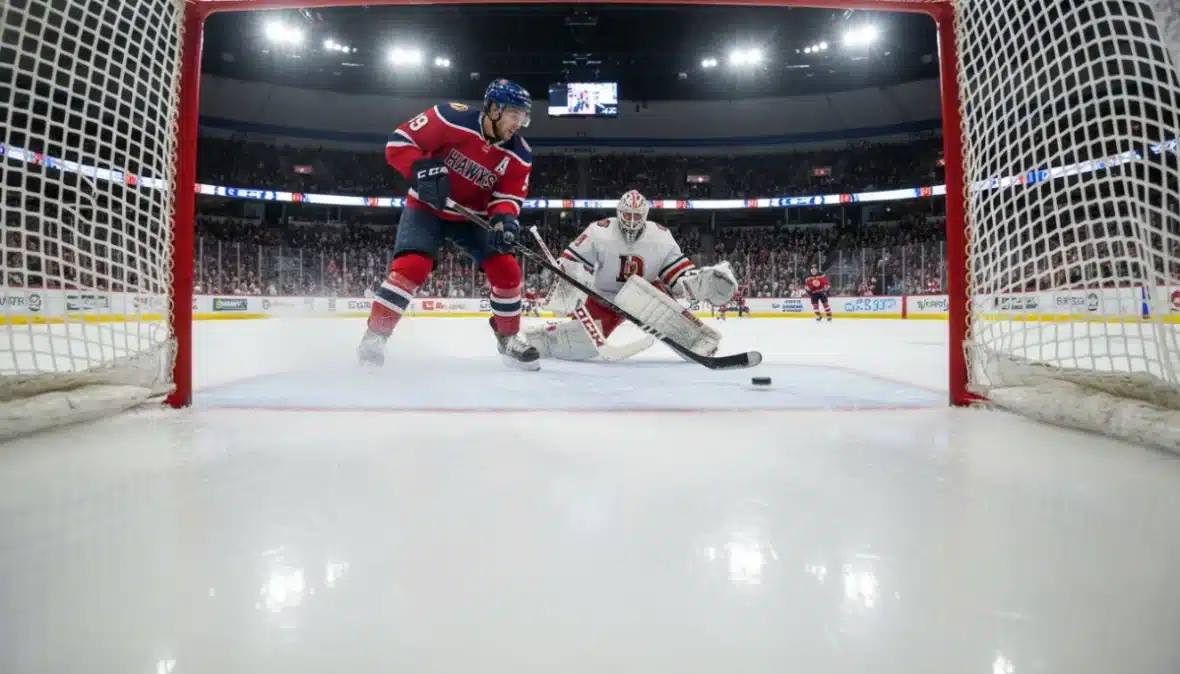
For two rounds, the Carolina Hurricanes had looked untouchable. They rolled through the opening stages of the 2026 Stanley Cup Playoffs without a loss, and their structure looked strong enough to wear down almost anyone. Then Game 1 of the Eastern Conference Final arrived in Raleigh, and Montreal changed the tone of the series in a hurry. The Canadiens, after surviving two brutal Game 7s on the road, walked into PNC Arena and delivered a 6-2 beating that felt bigger than a simple opener.
The setup was easy to explain. Carolina had been idle for 11 days, an enormous gap at this point of the season. Montreal had been living in elimination games and surviving on urgency. That kind of contrast usually favours the rested club. Instead, the first period showed how quickly timing can disappear when a team sits too long. Montreal looked sharper, faster, and far more willing to attack space.
A First Period That Changed Everything
Carolina struck first, and it happened almost immediately. Seth Jarvis scored only 33 seconds into the game, giving the home side the start it wanted. That goal should have settled the building and put pressure on Montreal. It did the opposite. The Canadiens answered with pace and confidence, and once they tied the game, the Hurricanes never really recovered their grip.
Cole Caufield got Montreal on the board with the kind of finish that has made him such a dangerous playoff weapon. Not long after that, Phillip Danault jumped into open ice and scored on a clean breakaway after a sharp transition pass from Alexandre Carrier. The shift was sudden, and it exposed a Carolina team that seemed a half-step behind every developing play.
Montreal did not stop there. Alexandre Texier pushed the margin to 3-1, and then rookie Ivan Demidov added the period’s most impressive moment. He picked off a turnover in the neutral zone, accelerated into space, and beat Frederik Andersen with a calm, polished deke that looked far older than his years. By the midway point of the opening frame, Montreal had scored four times. Carolina had allowed that many goals in a single stretch despite being one of the league’s most disciplined teams all spring.
Why the Hurricanes Looked Off Their Game
This result was not just about hot shooting. It was also about how Montreal attacked Carolina’s preferred style. The Hurricanes rely on pressure. They chase pucks, force rushed decisions, and keep shifts alive in the offensive zone until opponents crack. When that system works, the ice feels crowded and the game becomes exhausting for the other side.
Montreal found a simple answer. The Canadiens moved the puck quickly, used short passes to escape pressure, and pushed through the middle of the ice before Carolina’s defence could reset. That approach made the Hurricanes’ pinching defenders look vulnerable. Each clean exit from Montreal created more room behind the Carolina forwards, and the Canadiens kept finding it.
The result was a series of odd-man rushes and breakaways that broke the game open. Montreal did not need long possessions. It needed one good pass and one sharp read. Carolina, by contrast, looked sluggish in transition and unsteady in coverage. Their timing was poor, their support was late, and their normal forecheck never fully took hold.
Three details that mattered most
- Montreal moved the puck out of danger before Carolina’s pressure could settle in.
- The Canadiens attacked the middle lane instead of forcing low-percentage dumps.
- Carolina’s defenders stepped up too aggressively and left too much open ice behind them.
Goaltending Told Part of the Story
Frederik Andersen entered the series with elite numbers and a strong case as Carolina’s most important player. Through the first two rounds, he had been outstanding. But he was left exposed in this game, and the Canadiens made him pay for every defensive breakdown. He finished with five goals against on 21 shots, which is a brutal line for a goalie who had been nearly unbeatable up to that point.
Jakub Dobes, on the other hand, gave Montreal exactly what it needed after the early Carolina goal. He settled in, tracked the puck well, and turned aside 24 of 26 shots. The Hurricanes tried to build pressure in the second and third periods, but Dobes never let the game drift. He was calm, technically sound, and ready when Montreal needed a save.
That edge in net mattered because it prevented Carolina from turning small openings into a real comeback. The Hurricanes had chances to get back into the game, but every missed opportunity seemed to deepen their frustration. Montreal’s goalies did not need to steal the night. They only needed to hold the line, and they did.
The Final Push and What Comes Next
Carolina did manage one response through Eric Robinson, but by then Montreal had already taken control of the night. Juraj Slafkovsky closed the door with two third-period goals, including an empty-netter that turned the final score into a loud statement. The Canadiens were not hanging on. They were finishing the job.
Nick Suzuki deserves plenty of credit as well. He did not dominate the scoring sheet with goals, but his three-assist night showed how much Montreal’s attack flowed through him. He set the pace, made smart reads, and kept the Canadiens organised when the game opened up.
After the game, Suzuki kept the mood measured. He knew Montreal had made an impression, but he also knew Carolina would not stay that quiet for long. That is the danger in reading too much into one night. A long series can change quickly, especially when one of the league’s best teams has been embarrassed on home ice.
There is also the bigger playoff context. Carolina has had a rough history in the Eastern Conference Final under Rod Brind’Amour, and another Game 1 loss only added to that concern. Still, this was one game, not the whole series. The Hurricanes will make adjustments, tighten their gaps, and likely come out harder in Game 2.
For Montreal, the message was clear. This was not a fluke, and it was not just about surviving. The Canadiens showed they can skate with a top seed, punish mistakes, and take over a playoff game before the other side finds its footing. That is how a dangerous team announces itself.
